Transforming Healthcare Practices
Introduction
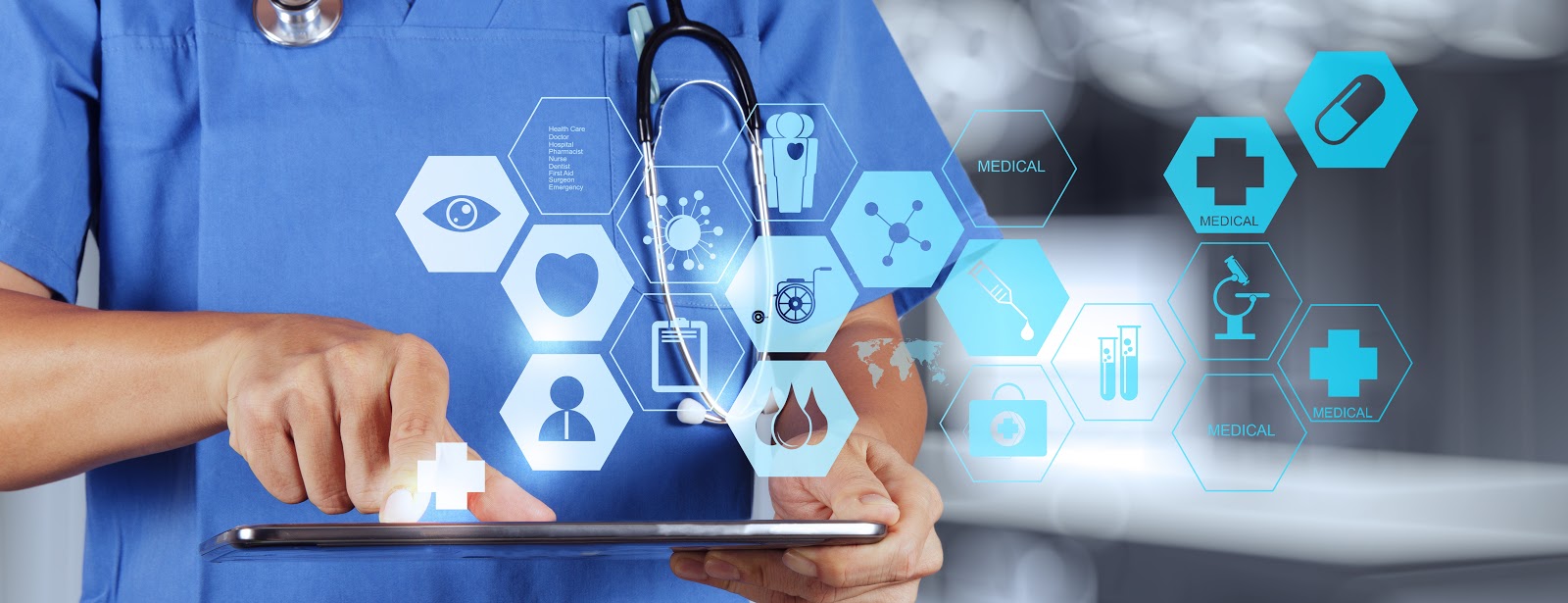
In the dynamic field of healthcare, the integration of advanced IT solutions is critical for enhancing patient care and operational efficiency. Our project focused on the comprehensive enhancement of a hospital management system (HMS), significantly improving healthcare practices. This article explores the strategic initiatives and methodologies employed to achieve this transformation, highlighting our role in setting new standards for healthcare IT integration.
Background and Objectives
Faced with the challenge of outdated systems and the need for improved patient care, the hospital aimed to modernize its HMS to better manage its operations and deliver superior healthcare services. The primary objectives of this enhancement were:
- Improve Patient Care: Utilize technology to enhance patient outcomes and streamline care processes.
- Increase Operational Efficiency: Automate administrative tasks to reduce workload and processing times.
- Ensure Data Accuracy and Accessibility: Implement real-time data management to support informed decision-making.
- Enhance Security and Compliance: Protect sensitive patient data and comply with healthcare regulations.
- Support Agile Operations: Foster a more adaptable IT environment to swiftly respond to evolving healthcare needs.
Challenges and Implemented Solutions
The HMS enhancement project presented various challenges, including integrating new technologies with legacy systems, managing large volumes of sensitive data, and ensuring minimal disruption to hospital operations. Our approach involved several key initiatives:
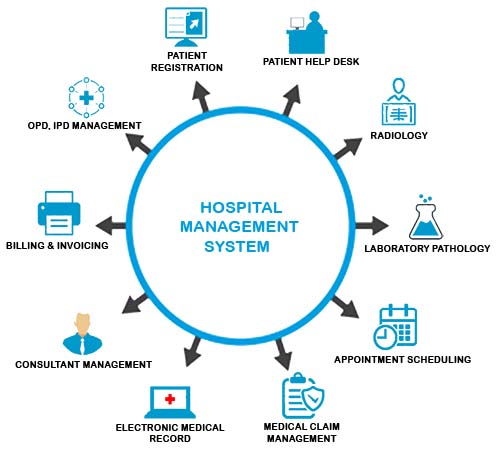
- Implementation of Advanced IT Solutions – We integrated state-of-the-art IT solutions into the existing HMS to improve functionality and user experience. This included the deployment of electronic health records (EHR) systems, telemedicine platforms, and automated scheduling systems. These technologies facilitated better patient tracking, remote consultations, and streamlined administrative processes, ultimately enhancing the overall efficiency of healthcare delivery.
- Agile Methodologies for Healthcare IT – To promote flexibility and continuous improvement, we adopted agile methodologies within the hospital’s IT department. Cross-functional teams worked in iterative cycles, allowing for rapid development, testing, and deployment of new features. This approach enabled the hospital to quickly adapt to changes in healthcare practices and patient needs, ensuring a responsive and dynamic IT environment.
- Comprehensive Data Integration and Management – Ensuring accurate and accessible data was paramount. We implemented robust data integration solutions that connected disparate systems, creating a unified data environment. This integration allowed for real-time data flow between departments, enhancing coordination and decision-making. Additionally, we employed advanced analytics tools to provide actionable insights, improving patient care and operational efficiency.
- Enhanced Security Measures – Protecting patient data was a critical concern. We introduced stringent security protocols, including encryption, access controls, and regular audits, to safeguard sensitive information. These measures ensured compliance with healthcare regulations such as HIPAA and GDPR, and protected the hospital against data breaches and cyber threats.
- Staff Training and Change Management – Successful IT enhancements require a well-prepared workforce. We conducted extensive training sessions to familiarize staff with new systems and processes. Our change management strategy included ongoing support, feedback mechanisms, and communication channels to address any concerns and ensure a smooth transition. This holistic approach facilitated the adoption of new technologies and processes, fostering a culture of continuous learning and improvement.
Achievements and Impact
The enhancement of the hospital management system led to significant improvements in both patient care and operational efficiency:
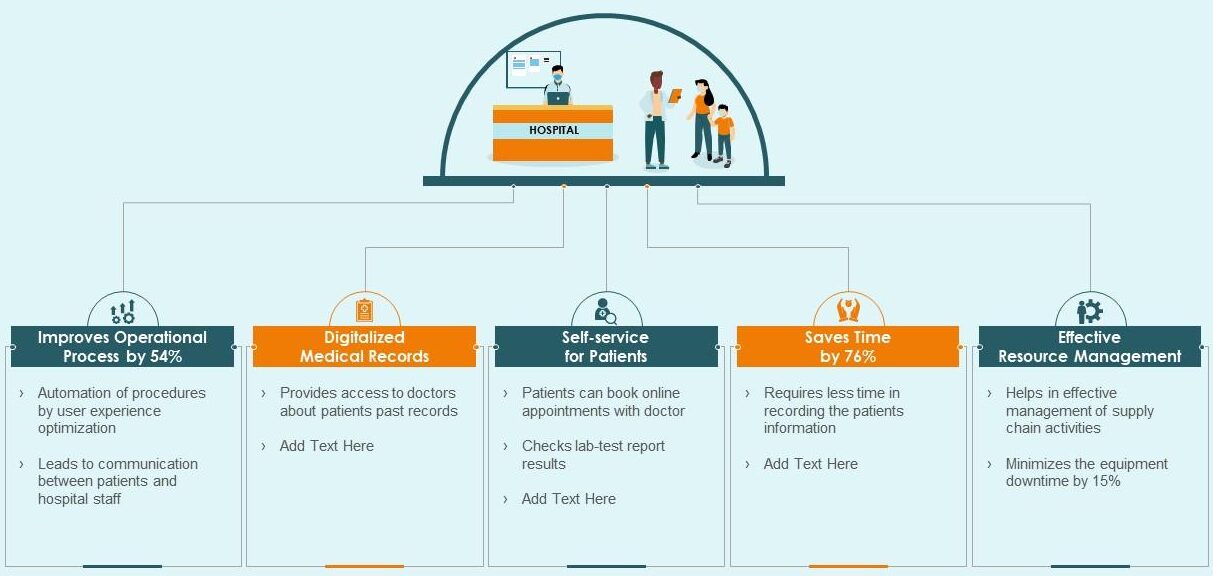
- Improved Patient Care: The integration of EHR and telemedicine platforms resulted in better patient tracking, reduced wait times, and enhanced remote care capabilities, leading to a 30% improvement in patient satisfaction scores.
- Operational Efficiency: Automated administrative tasks and streamlined processes reduced the workload for healthcare staff, cutting down on processing times by 40% and allowing more focus on patient care.
- Data Accuracy and Accessibility: Real-time data integration provided accurate and timely information, supporting better clinical and administrative decision-making.
- Enhanced Security: The implementation of advanced security measures protected sensitive patient data, ensuring compliance with regulatory standards and reducing the risk of data breaches.
- Agile Operations: The adoption of agile methodologies fostered a more responsive IT environment, enabling the hospital to quickly adapt to new healthcare trends and patient needs.
Conclusion
The enhancement of the hospital management system underscores our expertise in integrating advanced IT solutions into healthcare practices. By improving patient care, increasing operational efficiency, and ensuring data security, we have set a new benchmark for healthcare IT integration. This case study highlights our capability to drive significant improvements in healthcare delivery, positioning us as leaders in healthcare IT consulting.

Ready to Talk?
do you have a big idea we can help with?